
How Brunch Is Filling Centers Earlier
On weekend mornings many centers used to feel almost paused. A few bowlers trickled through the doors, staff moved quietly through opening routines, and large sections of the building sat waiting for the day’s real activity to begin.
Now, in some centers, those same mornings look completely different.
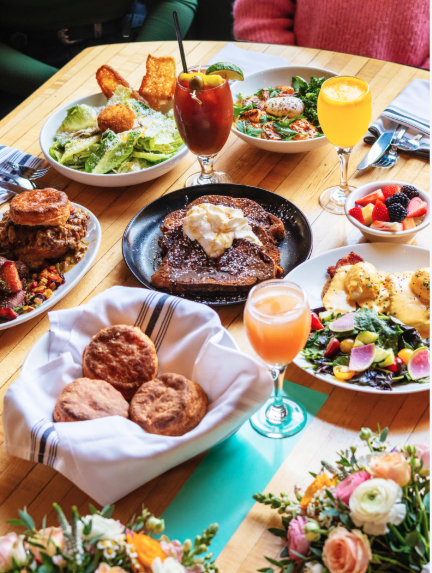
Tables are full before noon. Bloody Marys and Mimosas are heading out of the bar. Families linger over breakfast while groups of friends move from brunch to bowling without much thought about where one experience ends and the other begins. Instead of waiting for weekend traffic to arrive, operators are creating it.
That shift is happening in all kinds of operations, not just chef-driven entertainment venues with oversized food programs. Some centers are building full brunch menus around scratch-made specialties. Others are finding success with a much simpler approach: drink specials, a limited menu, smarter marketing, and a reason for guests to stop in earlier and stay longer.
The opportunity is about rethinking what weekend mornings can look like. For centers searching for new revenue opportunities, brunch is becoming one more way to turn slower hours into some of the liveliest parts of the week.
Brunch Without the Big Kitchen
The beauty of brunch is that it can be scaled to fit the operation. Not every center has the space, staff, or appetite for a full breakfast menu, and that may be exactly why the idea works. For some operators, the entry point is much simpler.
At Strike & Barrel in Wake Forest, North Carolina, the approach is deliberately light. The venue offers what it calls a “liquid brunch,” built around weekend staples like Mimosas, Screwdrivers, and Bloody Marys paired with its existing upscale food menu and entertainment mix, including bowling, duckpin lanes, axe throwing, and golf simulators.
The strategy works because they’re attracting guests who want to relax, socialize, and ease into the day. Activities do not have to be the first decision. They naturally become part of the experience once guests are already in the building and enjoying themselves.
That is an important reminder for smaller food operations. Brunch does not have to start with a new kitchen buildout or an extensive breakfast menu. It can begin with a few smart beverage features, a limited menu, stronger promotion, and a reason for guests to show up earlier than usual. Even positioning the word “brunch” strategically in marketing and online listings can help centers appear in searches tied to weekend dining and social outings.
When Food Becomes the Draw
At Bryant Lake Bowl & Theater in Minneapolis, brunch has evolved far beyond an add-on. It has become part of the venue’s identity. The business, which first opened in 1935, is known throughout the neighborhood as much for its breakfast menu and theater as its bowling lanes.
On many mornings, manager Jim Quire estimates roughly 75% of guests are there primarily for breakfast. Many are regulars who may not initially think of themselves as bowlers at all. “We’ve been a breakfast staple in the neighborhood for decades,” said Quire. “The food kind of speaks for itself, but it just also happens to be a bowling alley.”
After operating without leagues for seven years, Bryant Lake recently brought them back and found strong interest from both returning bowlers and brand-new players, an unusual story at a time when many centers are still working to rebuild league participation.
“We have a lot of fun bowlers who are just bowling casually, but it’s growing,” Quire said. “At least three league members who are new to our league who never owned a ball before have now bought their own ball and are really into it.”
The kitchen, once the alley’s shoe counter, is small by modern standards, and relies heavily on consistency, scratch cooking, and longtime local supplier relationships rather than constant menu reinvention.
That consistency may be part of why the concept works so well. Bryant Lake is not trying to chase every food trend or build an oversized brunch operation. Instead, it has created a neighborhood gathering place where food, entertainment, and bowling naturally feed into one another over time.
Creating Longer Visits
At venues like The Grand on Main in Columbia, South Carolina, brunch works because it blends naturally into a broader entertainment experience. Located inside a renovated vaudeville theater, the venue combines an upscale restaurant with seven bowling lanes tucked into the back of the property beneath exposed beams and historic architecture.
General manager Dylan Alford jokes that the business is “kind of the mullet of the area,” with a polished restaurant in the front and bowling in the back. That dual identity creates natural crossover between dining and entertainment.
Some guests arrive specifically for brunch favorites like shrimp and grits or chicken and waffles before discovering the lanes later. Others come to bowl and unexpectedly end up staying for food, drinks, and a much longer visit than originally planned.
“A lot of people don’t even know there’s a bowling alley here, and then they hear the pins crashing in the back,” Alford said. “In the inverse, a lot of folks come because they want to bowl and don’t realize there’s a full bar and restaurant. It’s a great way to keep people in the building.” For many centers, that overlap is the real opportunity. The longer guests stay, the more likely they are to explore additional attractions, order another round, or come back again.
For Alford, however, the operational side matters more than flashy menu trends. “It comes down to execution,” he said. “Don’t get so caught up in having the coolest menu or flashy, trendy stuff. It’s about the people. Execute a simple menu really well, quality food, consistent service.”
That same philosophy appears at Pinewood Social in Nashville, where brunch traffic regularly flows between dining areas, bars, patios, event spaces, and vintage bowling lanes. Guests settle in for hours instead of cycling through quickly, turning bowling into part of a broader social experience rather than the sole attraction.
A Different Kind of Growth Opportunity
Brunch creates an entry point for guests who may not have planned a bowling outing at all. In some centers, that starts with a few cocktail specials and a busier Saturday morning crowd. In others, it has grown into a strong food and beverage driver that keeps guests in the building longer and naturally introduces them to other activities.
Not every guest walks in looking to join a league. Some are simply looking for a place to gather over coffee, eggs, and a couple of Mimosas.
For operators staring at quieter weekend mornings, that may be the biggest takeaway of all: sometimes the easiest way to grow traffic is simply by giving people another reason to show up earlier and stay longer.